
Custom SaaS engineering
Multi-tenant databases with real row-level isolation, role-based access control your admins can configure themselves, and high-throughput REST or GraphQL APIs.
- PostgreSQL
- TypeScript
- GraphQL
- RBAC
- OpenAPI

Multi-tenant products, payment switches and cloud infrastructure for teams who want the architecture reviewed before the first sprint, not after the first outage.
Each one is scoped, estimated and delivered by the same team that reviews your database schema.
Multi-tenant databases with real row-level isolation, role-based access control your admins can configure themselves, and high-throughput REST or GraphQL APIs.
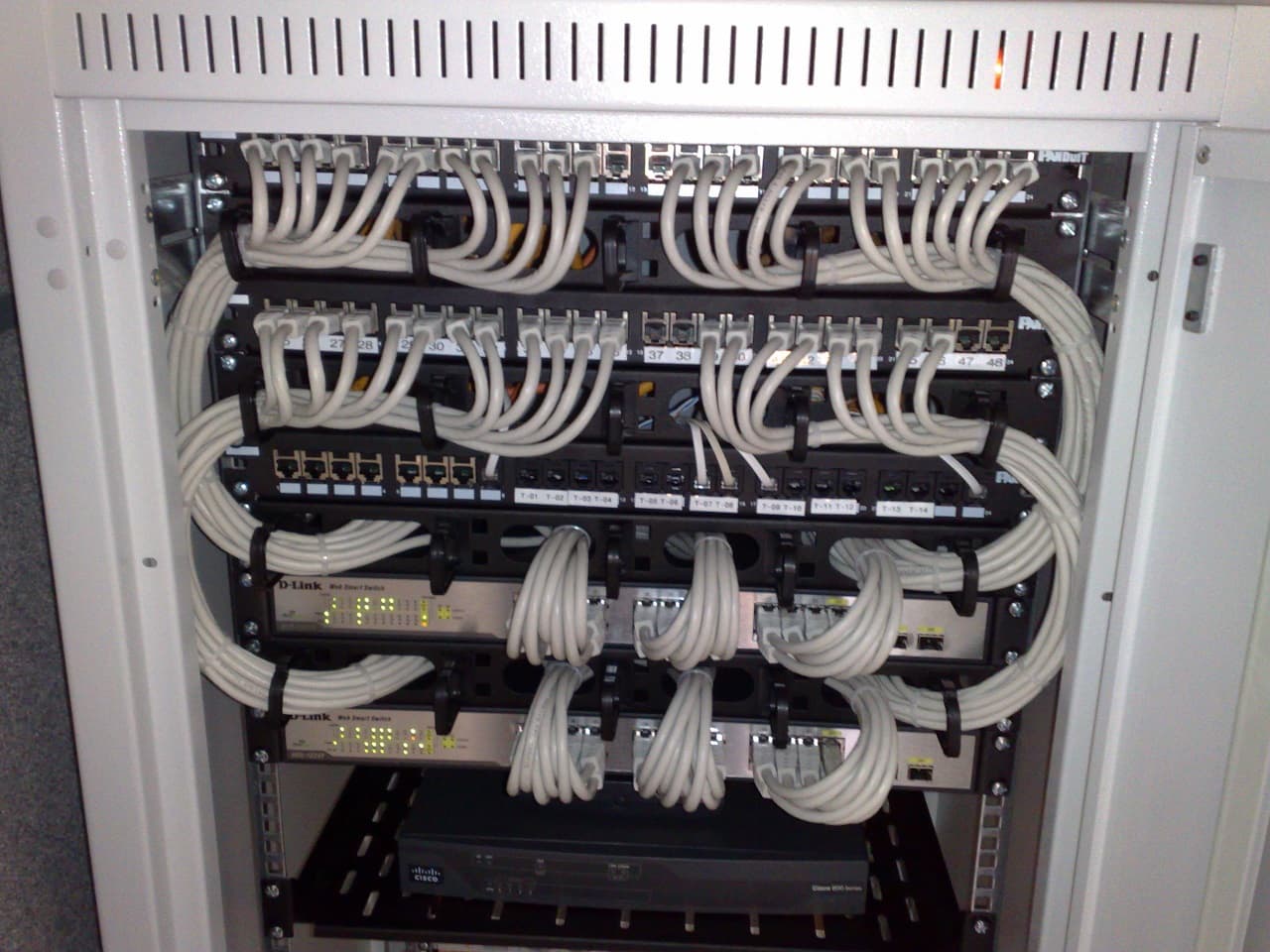
Containerised services on managed Kubernetes, infrastructure defined in code, and CI/CD that deploys on merge with health-gated rollback.

BBPS transaction switching, digital agent networks with commission ledgers, and merchant payment integration built for reconciliation from day one.

Retrieval-augmented assistants grounded in your own documents, extraction pipelines, and orchestration that keeps a human in the loop.

A typical multi-tenant platform with a BBPS switch runs as an API gateway behind a CDN and WAF, fronting authentication, tenant services, the transaction switch and an orchestration layer for AI features.
CDN and WAF in front of a rate-limited API gateway. Nothing reaches a service without passing both.
Auth and RBAC, tenant services, the BBPS switch and an LLM orchestrator — deployed and scaled independently.
Primary PostgreSQL with read replicas, Redis for cache and queues, object storage for documents and evidence.
Health-gated rollout, automated rollback, and runbooks handed to your team at go-live.
Four stages. You get a written deliverable at the end of each one, and you can stop after any of them.
We map what exists, what it costs to run and where it breaks. The output is a written scope with assumptions listed and priced — not a proposal deck.
Data model, tenancy boundaries, access control and integration contracts agreed before any production code is written. Changing this later is what makes projects expensive.
Two-week sprints with a working demo at the end of each. Security testing runs against staging before the release candidate is cut.
Health-gated deployment, runbooks handed over, and a support agreement with named response windows for each severity level.
Client names withheld where the engagement is under NDA.
2026 · FintechCommission ledger, settlement reconciliation and merchant onboarding across a distributed retail agent network.
2026 · SaaSRole-based access across regional branches with tenant-level data isolation and an audited change history.
2025 · AutomationInvoice and compliance intake with retrieval-grounded review and human approval before commit.
We take on inherited systems. The audit stage stands alone — you get the findings whether or not we do the rebuild.
Tell us what you are building and what it has to survive. You will hear back with the questions that actually change the estimate.